How knitting produces underwear without seams
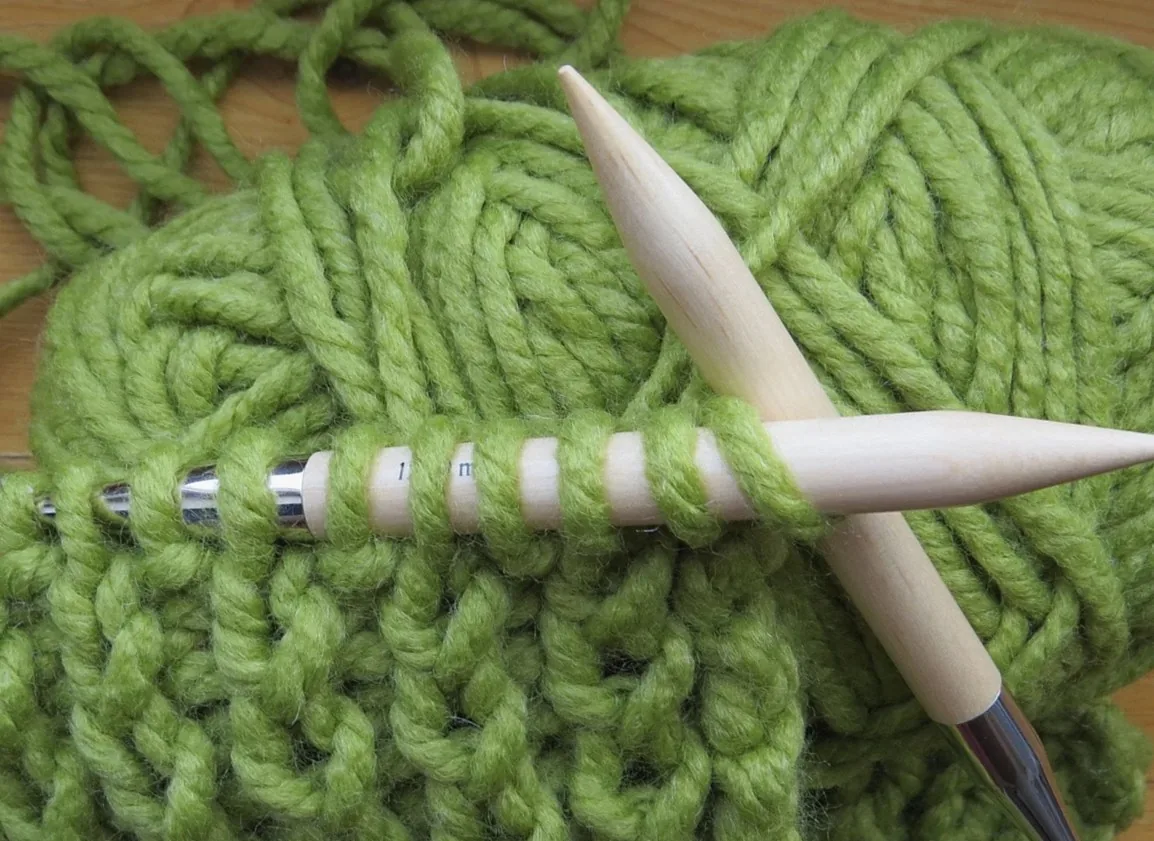
Most people who buy underwear have a vague sense that it is knitted differently from regular fabric, but the actual process is not widely explained. Understanding it helps you know what to look for when you are comparing pieces, and why not all lingerie performs the same way.
What a circular knitting machine actually does
A knitting machine works in a continuous loop. Instead of knitting a flat piece of fabric that is then cut and sewn into a shape, the machine knits a tube. The tube is shaped as it is knitted by varying the tension, the stitch pattern, and the yarn feed at different points in the rotation. The result is a finished garment body with no cut edges and no sewn seams.
This is different from what is sometimes sold as but is actually flatlock-stitched. Flatlock stitching reduces the ridge of a standard seam, but it is still a seam. A genuinely piece has no join at all in the knitted body.
Why the fabric blend matters as much as the construction
knitting works best with a yarn that has good stretch and recovery. Most lingerie uses a nylon-elastane blend, typically somewhere between 75% and 85% nylon with the remainder elastane. The nylon provides the smooth surface and durability. The elastane provides the stretch.
The ratio affects how the finished piece feels and performs. A higher elastane percentage gives more stretch but can feel thinner and may lose recovery faster over time. A lower elastane percentage is more durable but less forgiving in fit. The blend we use at Ocelot Furnace is 82% nylon and 18% elastane, which we settled on after testing several ratios over the first two years of production.
Laser cutting and why edges still need finishing
Even in a garment, the leg openings and sometimes the waistband are cut after knitting. This is where laser cutting comes in. A laser cuts the fabric without fraying, leaving a clean edge that does not need to be hemmed or bound. The result is a very thin, flat edge that does not press into skin.
A mechanically cut edge, by contrast, needs a binding or a rolled hem to stop it unravelling. Both of those add bulk. Laser cutting is more expensive, which is why it is not used on all lingerie, but it is the reason a well-made brief leaves no ridge at the leg opening.
If you are comparing pieces and want to know whether a specific style uses laser-cut edges or flatlock stitching, the product description should say. If it does not, that is worth asking about before you buy.